3rd- 7th November 2025
At Speke Resort Munyonyo, science stepped out of the lab and into the national spotlight.
The 19th Joint Annual Scientific Health Conference (JASH) & NACNDC 2025 brought together researchers, policymakers, and health leaders from across Uganda under the powerful theme of Unified Action Against Communicable and Non-Communicable Diseases. For IDRC, it was a moment to share evidence, spark dialogue, and show how research directly shapes public health decisions.
“It was a rewarding experience,” said Bienvenu Nsengimaana, Laboratory Technologist at IDRC. “It gave us the opportunity to share our malaria research findings with a big community at once and to appreciate how relevant our work is beyond the lab.”
IDRC delivered eight oral presentations, covering topics such as antimalarial drug resistance, malaria diagnostics, vector genomics, and immune responses. One key focus was whether commonly used malaria rapid diagnostic tests continue to work effectively in Uganda, providing reassuring news for both clinicians and the communities they serve.
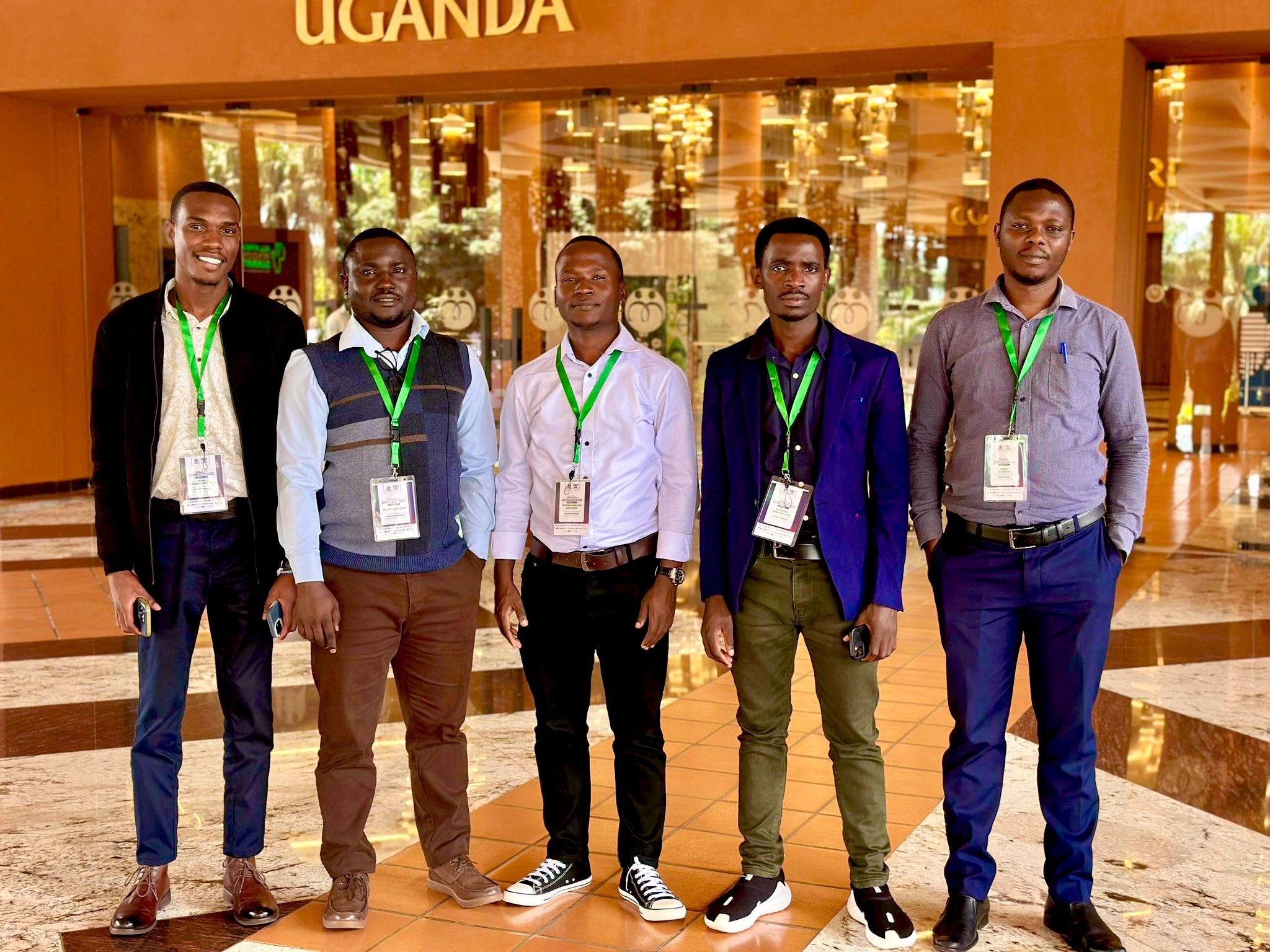
“For me as a young scientist, this conference sharpened my ability to communicate science to a wider audience,” Bienvenu shared. “For IDRC, it strengthened our visibility among policymakers and reinforced our mission of producing high-quality research that matters.”
Thomas Katairo, Young Investigator at IDRC, echoed the importance of local engagement. “I’ve always wanted our work to be disseminated locally, especially to stakeholders,” he said. “JASH gave us that opportunity, and as IDRC, we put our flag higher because of the quality of data we presented.”
Uganda bears one of the world’s highest malaria burdens, and IDRC’s research, including studies on drug resistance and malaria strains among refugee populations, drew strong interest. These insights help the Ministry of Health understand how malaria behaves across different communities and borders.
“The discussions showed that researchers and policymakers should stop working in silos,” Thomas noted. “Continued engagement helps us learn each other’s language and turn evidence into action.”
Beyond the data, IDRC’s presence at JASH 2025 reflected something deeper: a commitment to empowering young scientists, sharing evidence where it counts, and contributing to a healthier Uganda.
As Bienvenu put it, “A healthy population is a wealthy population — and research is a key part of getting there.”